After sleeping until after 11am, the first day was never going to be crazy. We climbed to 2400 metres, (7900 feet) above sea level and the next few days are all about taking it easy and acclimatising to dxthe altitude before climbing to Puno which is 3827 metres above sea level. We ambled into the plaza late in the morning and watched the world go by for a while. Arequipa is the colonial-era capital of Peru’s Arequipa Region. Framed by 3 volcanoes, it's filled with baroque buildings constructed from sillar, a white volcanic stone. Its historic center is anchored by the Plaza de Armas, a stately main square flanked on its north by the 17th-century neoclassical Basilica Cathedral. In the afternoon we took a trip to the Rota de Sillar, where you can witness the entire process of extraction and carving in detail of this mineral. Sillar Rosado, a canyon that, thanks to the particular combination of sand,...
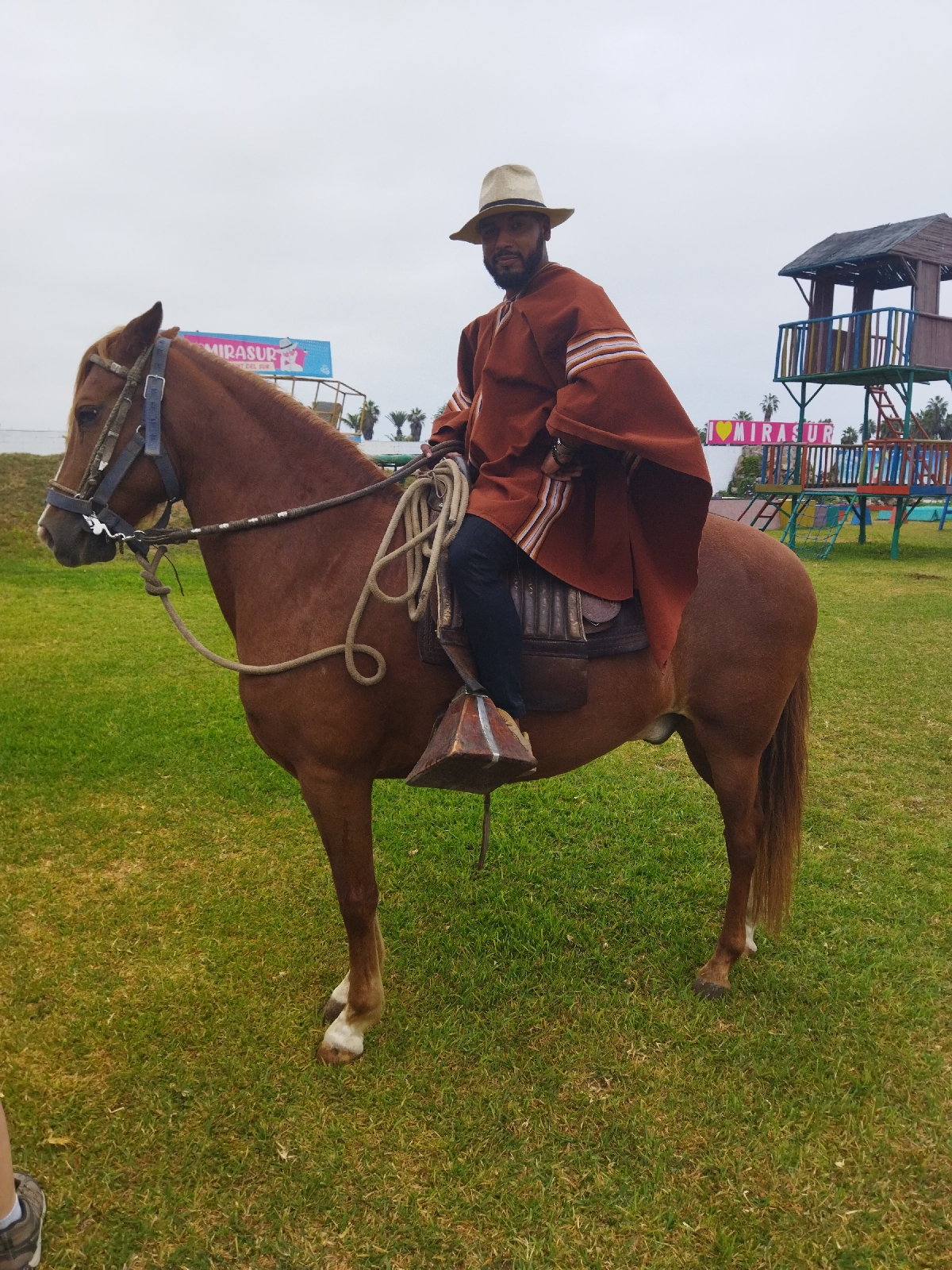
We had an early start (6.30am) and started heading to Paracas. We stopped off at a typical tourist roadside place for breakfast and go watch a Peruvian horse and his rider strut their stuff. Next came a typical Peruvian game of 'scare the shit out of a guinea pig!' Nobody was told what was going to happen beforehand. The poor bugger was put in the cage and, when it was released, it ran into one of the mouse holes. If you'd chosen that number, you won a prize!! We had a chance to go on a zip line, so I had a go and Colin kindly did a video. First and last event of the day was making our own Pisco sour in a local cocktail 🍸 bar. Much to my dismay, Colin liked his, despite having to put an egg white in it lol We went scouring the local mini markets for somewhere that sold vodka (I poured mine down the sink before we got on the bus back from Trujillo as I was not co...
We were booked to go on a full day boat trip, so we were up and out early. There were so many boats waiting to leave the quay, we had to wait our turn. It was a peculiar day. Most of it was spent on the water. First stop was Uros. The Uru or Uros people are believed to be descended from the earliest inhabitants of Lake Titicaca. They’ve preserved a floating lifestyle for hundreds of years. To protect themselves from invading groups, the Uros built mobile islands from the endemic totora plant. If a threat emerged, they could simply move their islands elsewhere in the lake. While this worked for a while, both the Incas and Spanish eventually discovered their islands. Although the island was built in the traditional way, it's authenticity was in doubt! We were then taken by traditional boat to the next island which was a complete tourist trap. Three children under 5 were put on the boat and immediately began to beg by ...


Comments
Post a Comment